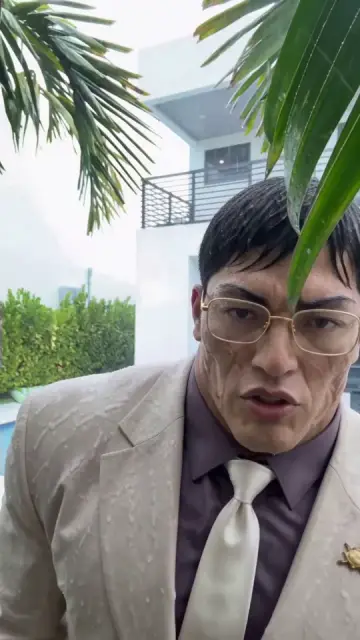
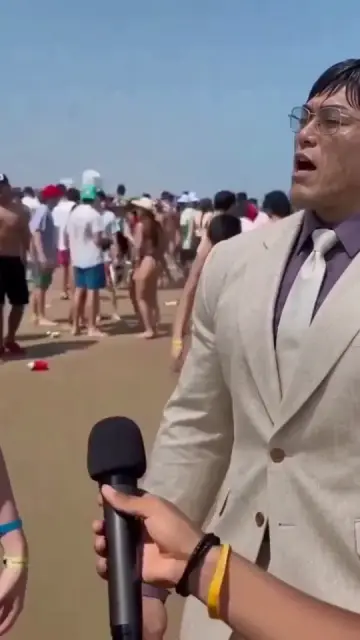
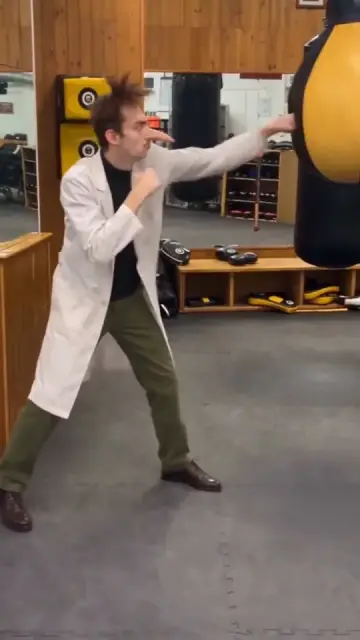
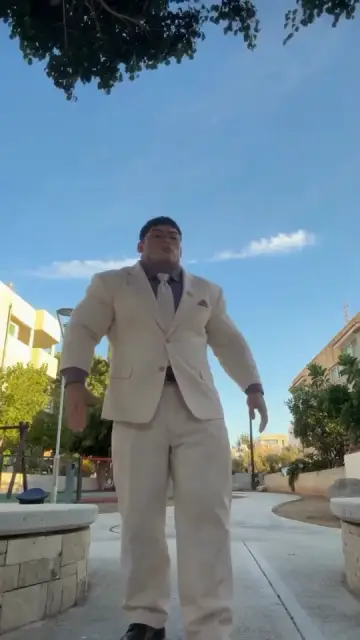
An AI influencer for an app is a character made with AI that posts like a creator: one face, one voice, and a running format, such as trends, skits, street interviews, or reactions to your app. We design the character with you, make every video with AI, and a human team writes, edits, and posts them.

591K
Median views of AI-character app videos (21 videos)
ugcMaxx library, Nov 1, 2026
254K
Median views of app videos with human creators (5,565 videos)
ugcMaxx library, Nov 1, 2026
8
Apps in the library with AI-character videos, from 11 accounts
ugcMaxx library, Nov 1, 2026
Do AI characters work for app videos?
The early numbers are good, but the sample is small. Our library holds 6,565 app TikToks with 50,000+ views, and 21 of them feature an AI character. Their median is 591,365 views, against 254,311 for videos with human creators (5,565 videos) and 259,358 for faceless videos (979). 21 videos from 8 apps is too few to call it a rule, so read it as a signal. The biggest are Glam AI’s photo-shoot videos, one with more than 20 million views, and Airlearn’s language character @espanol.w.lola, whose top video has 3.9 million. The full split is in AI actors vs human creators.
What makes an AI influencer work?
- A look you know in a second. One face, one outfit, and one setting people remember.
- One repeatable idea. A running joke or format the character can do again and again.
- Captions over dialogue. When the words on screen carry the joke, the video works with the sound off and in any language.
- Room to remix. Formats other people can reply to, stitch, or copy.
The AI influencers trending this fall, like Jean Phil and Derek Mercer, follow these rules. Read who the trending AI influencers are.
What do we make?
- The character. Face, voice, wardrobe, and setting, built for your audience. You approve the character before we make a video.
- The videos. Trends, skits, street interviews, reactions, and app reviews, each made with the AI model that fits the shot.
- Your app on screen. We use real screen recordings of your app, so the product people see is the real one.
- Edits for every feed. Captions, several hooks, and 9:16, 4:5, and 1:1 versions.
- Posting. On your accounts, or on TikTok accounts we run for your app, on a schedule you approve.
AI character or real creator?
| AI character | Real creator | |
|---|---|---|
| Trust | Some viewers ask if it is real | A real person using the app |
| Label | Needs an AI label when it looks real | Needs a normal ad or partnership label |
| Consistency | The same face and setting in every video | Depends on the creator’s schedule |
| Speed | Fast once the look is set | Needs casting, briefing, and filming |
| Best for | Mascots, recurring formats, skits, and story series | Reviews, demos, and testimonials |
Testimonials need a real person. An AI character has never used your app, so it should never pose as a customer: the FTC’s 2024 rule bans fake testimonials, including AI-made ones.
Do AI influencer videos need a label?
Yes, when they look real. TikTok asks for its AI-generated label or a clear disclaimer, Meta labels ads made with AI tools, and YouTube asks creators to disclose realistic AI content. We set the labels each platform asks for, and you approve every post. The details and sources are in the rules for AI UGC ads.
How does it start?
- Brief. Send the app, the audience, and the result you need. We reply with character ideas and formats.
- Character. We design the look and the voice. You approve the face and the first scripts.
- First videos. We make the first round with AI, edit, and post once you approve them.
- Rounds. Each round keeps the formats and hooks that work and replaces the rest.
We quote by scope: characters, videos and posts per week, accounts, and usage terms.
